Luciferianism and Satanism: Similar Symbols, Different Centers
Lucifer, Satan, light, rebellion, knowledge, and adversarial imagery can overlap across traditions. The names alone do not tell you what a group believes.
Read Writing →Long-form answers and short notes from the Church — written to be read, questioned, and compared rather than reduced to slogans.
25 writings — Page 2 of 3
Lucifer, Satan, light, rebellion, knowledge, and adversarial imagery can overlap across traditions. The names alone do not tell you what a group believes.
Read Writing →There is no universal catalogue of Satanic symbols. This guide separates widely recognized imagery from tradition-specific, modern, and politically loaded symbols so readers do not mistake resemblance for lineage.
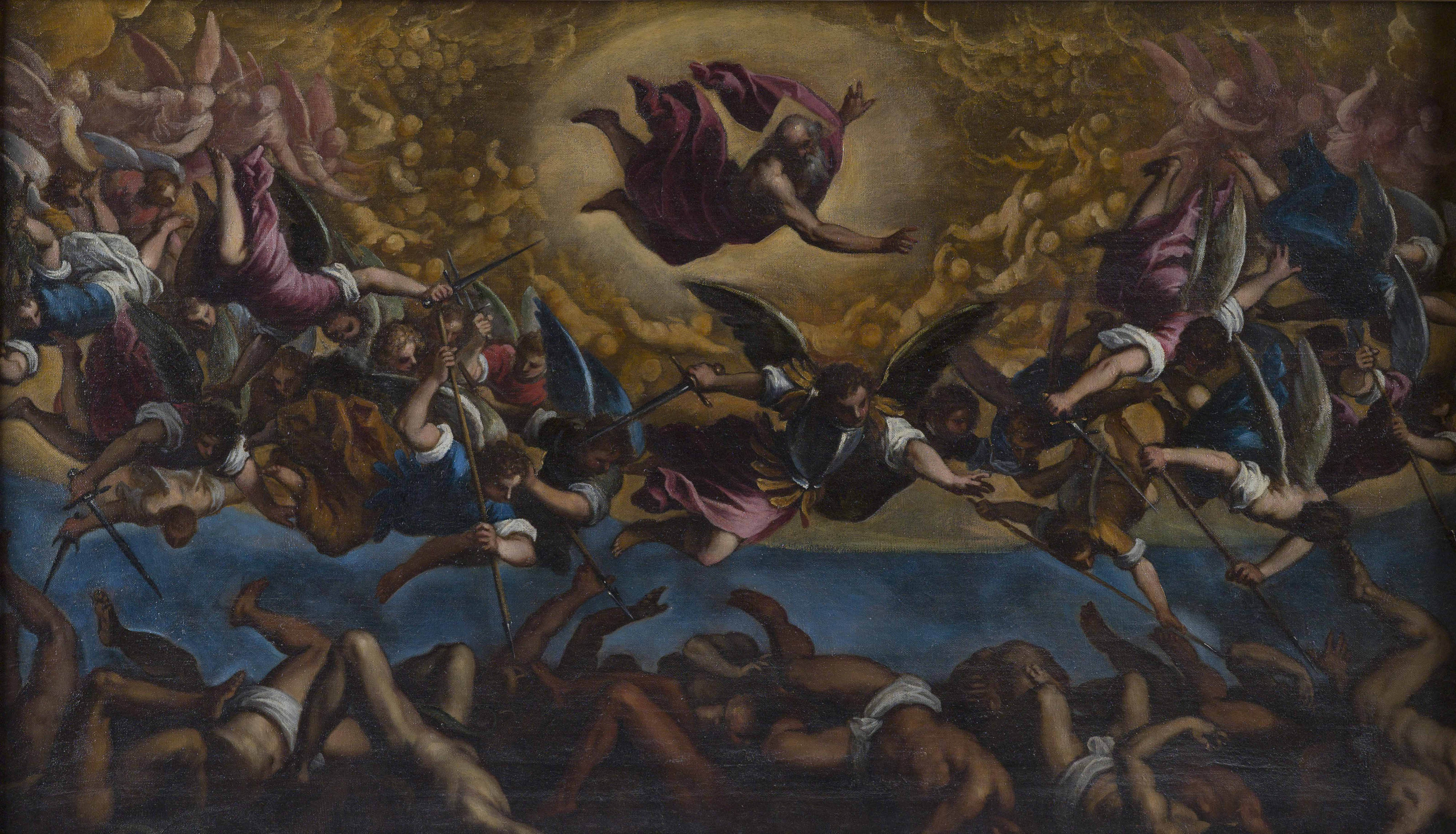
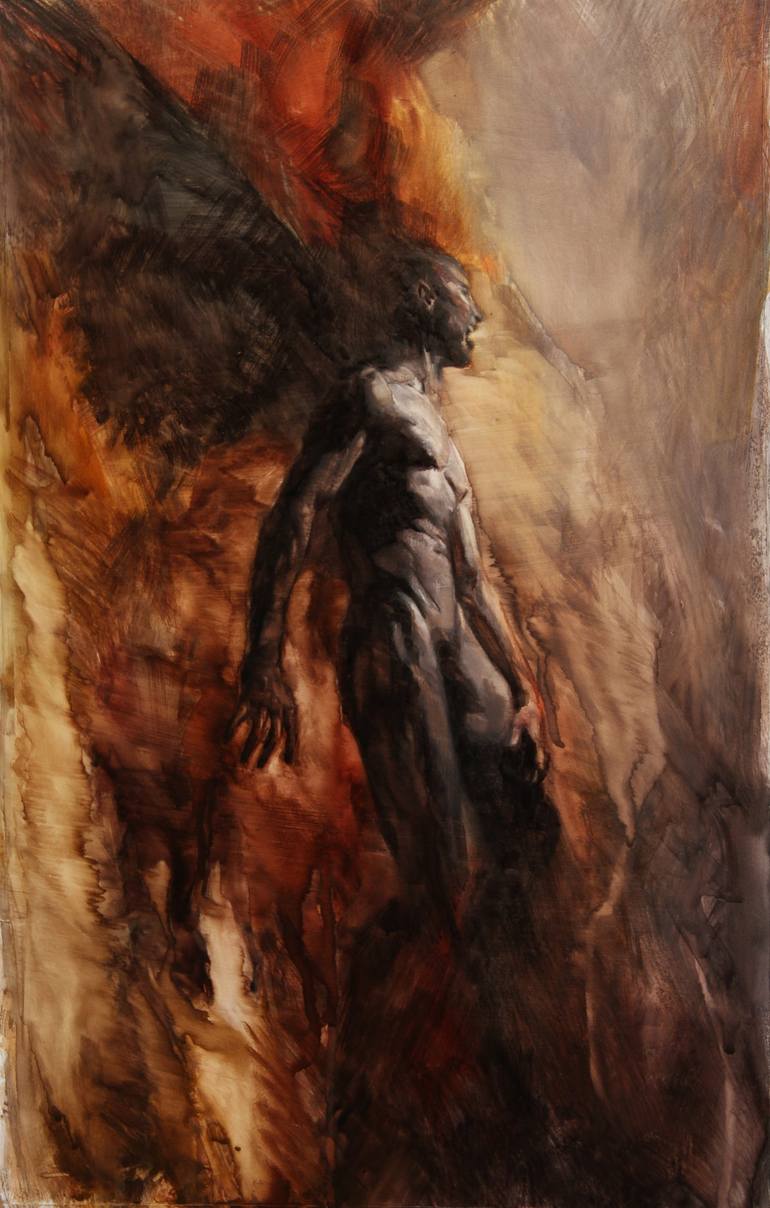
Read Writing →Horns, wings, a beautiful angel, a goat, a shadow: Satan has been pictured many ways. The Church does not treat any one artwork as a literal portrait.
Read Writing →Explore Satan as liberator in theistic Satanism's historical theology. Understand liberation theology distinctions from atheistic Satanism and devotional practices within religious Satan worship.
Read Writing →Explore the philosophical foundations of autonomy ethics in theistic Satanism. Understand how personal sovereignty and ethical responsibility coexist in our religious framework. Differentiate from atheistic Satanism.
Read Writing →Our use of Satan is devotional rather than a political performance. That does not make every other Satanist approach illegitimate; it states what this Church is for.
Read Writing →Calling Satanism “evil” usually assumes a Christian theological framework before the conversation begins. The Church uses a different framework, but that does not mean “anything goes.”
Read Writing →Visitor registration is open for sincere people interested in requesting Neophyte membership.
Read Writing →Explore the authentic sacred meaning of Satanic symbols: pentagram origins, Baphomet symbolism, and theistic significance beyond modern misconceptions. Historical context for serious practitioners.
Read Writing →Theistic Satanism is the belief that Satan exists as a real, living deity, worshipped in a religious way. This is different from Satanism as approached by the Church of Satan or The Satanic Temple, which treat Satan as a symbol or literary figure rather than a deity.
The Church of Satan, founded by Anton LaVey in 1966, takes an atheistic approach — Satan is a symbol of individualism, not a deity. The High Satanic Church is theistic: we worship Satan as a living deity. We are independent and not affiliated with the Church of Satan.
No. The Satanic Temple is an atheistic political-activism organisation that uses Satanic imagery. The High Satanic Church is an independent theistic congregation. We have no connection to The Satanic Temple.
Create and verify a Visitor account, sign in, and request Neophyte from the member dashboard. Registration and membership are free; acceptance follows a basic good-faith review.